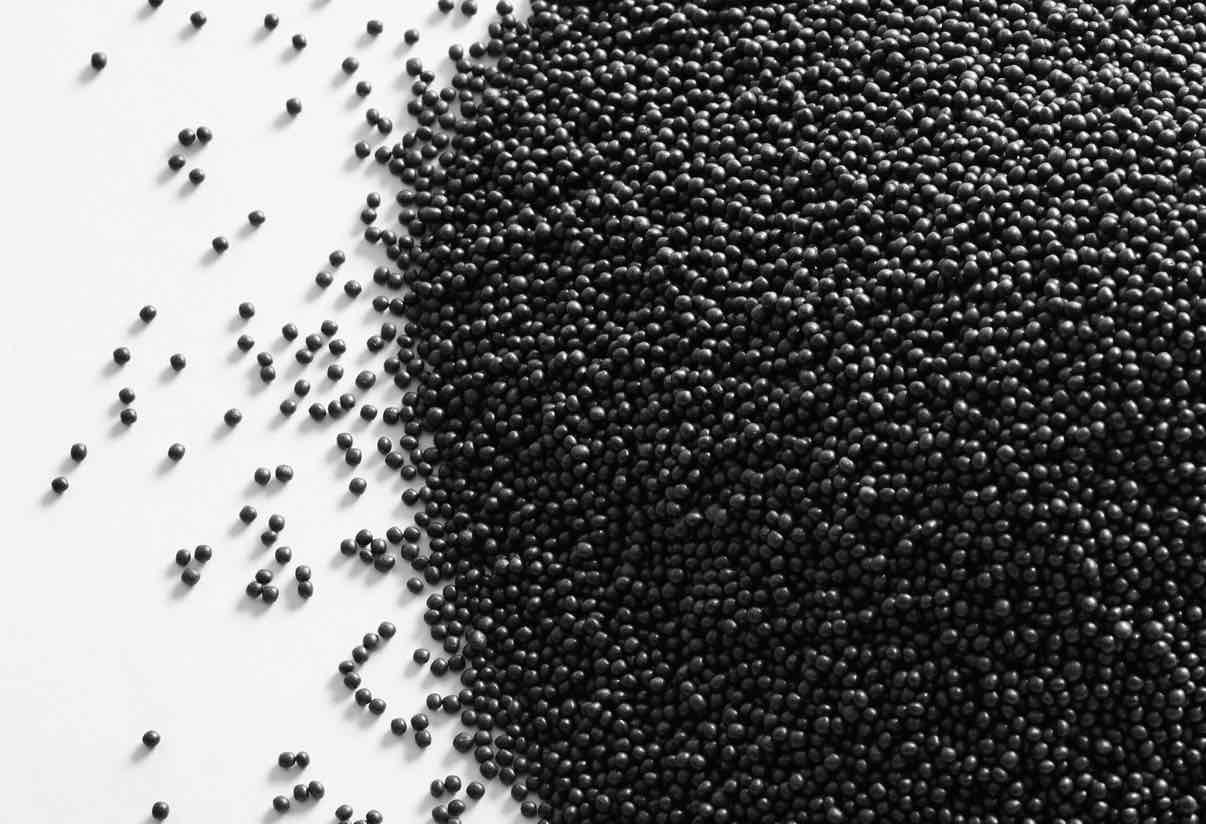

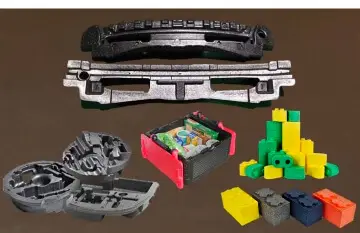
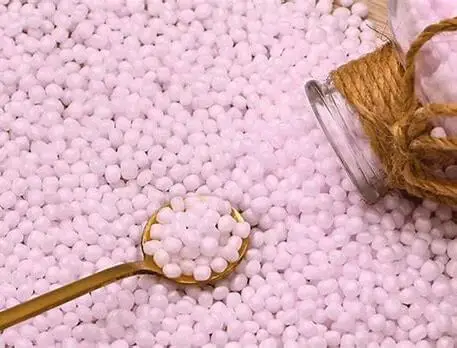

black epp beads

EPP Beads: Density, Properties and Applications

 What Are EPP Beads?

EPP beads, also known as expanded polypropylene beads, are lightweight foam particles used to produce durable molded parts. Their density typically ranges from 20 to 100+ kg/m³, allowing engineers to balance strength and weight. EPP beads offer high impact resistance, excellent energy absorption and thermal stability. Because of their closed-cell structure, they recover after compression and maintain long service life. These properties make EPP beads ideal for automotive components, protective packaging and structural applications.

Density (kg/m³)Compressive Strength @10% (kPa)Compressive Strength @25% (kPa)Recovery Rate (%)Thermal Conductivity (W/m·K)
3060120950.037
45120200970.038
60250400980.040
80400700990.041
100550900990.043

Mechanical and Thermal Properties of EPP Beads

epp beads Lightweight yet Strong
epp beads
pink epp beads
epp beads Eco-friendly and Sustainable

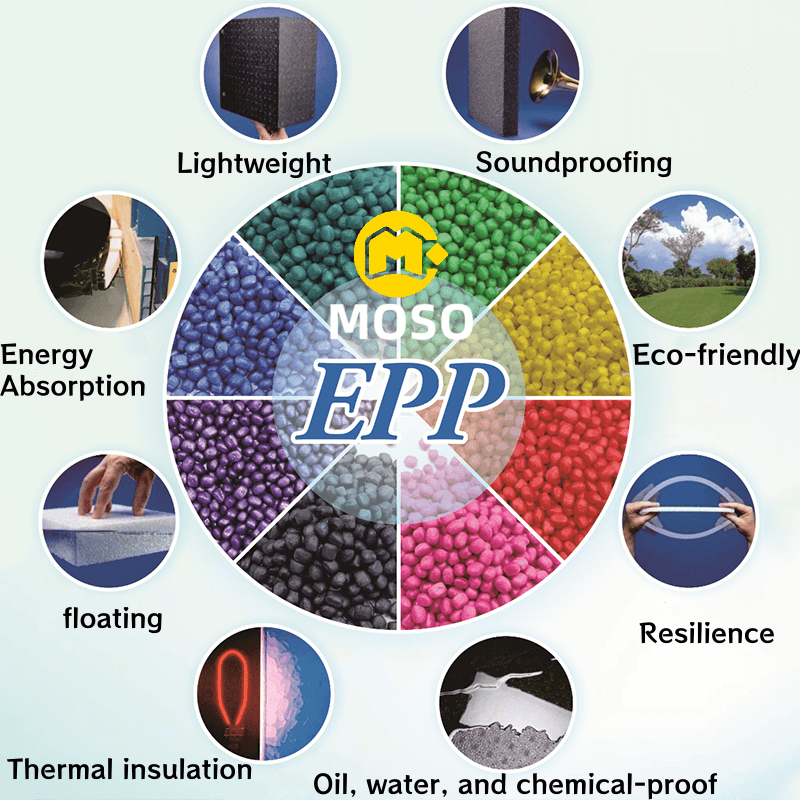
1. Lightweight Composition

EPP Beads have a low-density structure, making them one of the lightest materials available. This property is highly sought after in industries that require weight reduction, such as automotive manufacturing and aerospace. By incorporating EPP Beads into products, manufacturers can reduce weight while maintaining strength and performance.

2. Superior Shock Absorption

One of the standout features of EPP Beads is their excellent shock absorption properties. These beads are capable of absorbing and dispersing impact forces, making them ideal for applications where durability and protection are essential. Whether used in automotive bumpers, packaging for fragile electronics, or safety gear, EPP Beads help reduce the risk of damage from impact.

3. Exceptional Insulation Properties

EPP Beads are also known for their thermal insulation capabilities. With excellent resistance to heat and cold, EPP Beads are commonly used in building materials and packaging solutions to help maintain temperature control. Their ability to reduce energy consumption makes them an environmentally friendly option for construction and energy-efficient product design.

4. Eco-Friendly and Recyclable

As the world moves toward more sustainable practices, the demand for recyclable and environmentally friendly materials is on the rise. EPP Beads meet this demand as they are fully recyclable, free from harmful chemicals, and contribute to reducing the carbon footprint of various industries.

How EPP Beads Are Processed

EPP beads are produced through a controlled steam expansion and molding process. The manufacturing system ensures stable density, strong bonding and consistent mechanical performance. Below is a step-by-step explanation of how EPP beads are processed. More epp beads production line you can check here.

Step-by-Step EPP Beads Processing

  1. Steam Pre-Expansion – Raw polypropylene beads are heated with steam. The beads expand and form a closed-cell structure. Density is adjusted during this stage.
  2. Aging and Stabilization – Expanded beads are stored in silos. Internal pressure stabilizes and moisture balances. This ensures uniform cell structure and better fusion during molding.
  3. Shape Molding – The stabilized beads are transferred into a shape molding machine. Heat and pressure fuse the beads together into a solid foam component.
  4. Cooling and Demolding – The molded part cools inside the mold. Once stabilized, it is removed and prepared for further assembly or packaging.
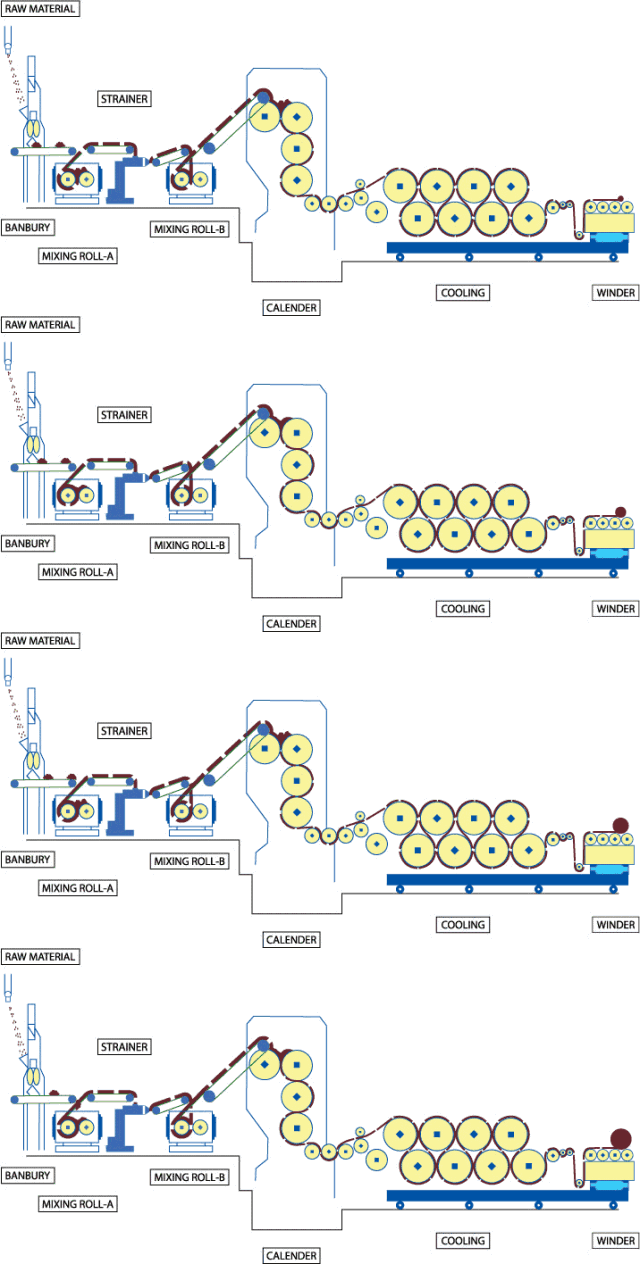
This controlled process results in lightweight, impact-resistant and recyclable EPP foam products used in automotive, packaging and industrial applications.
EPP beads mini process flow animation showing pre-expansion, aging and molding process
EPP Beads Manufacturing Process Animation

EPP Beads Mini Process Flow

Process StageMain PurposeKey Control Factors
Pre-ExpansionExpand beads and adjust densitySteam temperature, pressure, time
AgingStabilize internal pressureStorage time, ventilation
Shape MoldingFuse beads into final shapeMold temperature, steam pressure
CoolingSolidify and stabilize partCooling time, mold design
With proper process control, EPP beads achieve consistent density, strong structural bonding and long-term durability. This makes them ideal for demanding industrial environments.

Industrial Applications of EPP Beads

EPP beads are used in many industries.The combination of light weight and durability makes EPP ideal for repeated use.

1. Automotive Industry

EPP foam is widely used in car bumpers, seating, headrests, and door panels due to its strength and energy-absorbing capabilities.
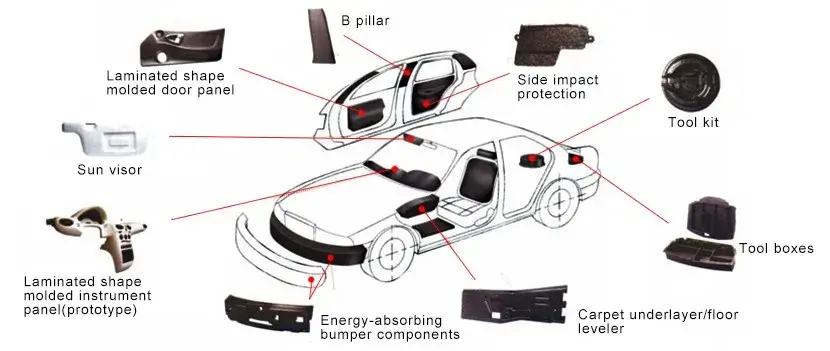
EPP Beads in Automotive Lightweight Solutions

2. Packaging Solutions

EPP foam products offer lightweight yet protective solutions for delicate or high-value goods, ensuring safe transport.
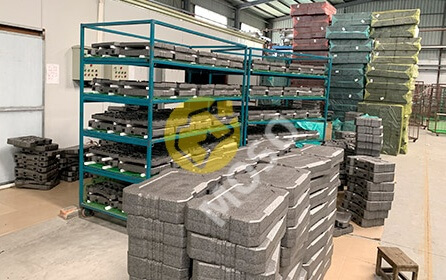
EPP Package

3. Construction Industry

EPP foam provides thermal insulation, making it ideal for energy-efficient building materials.
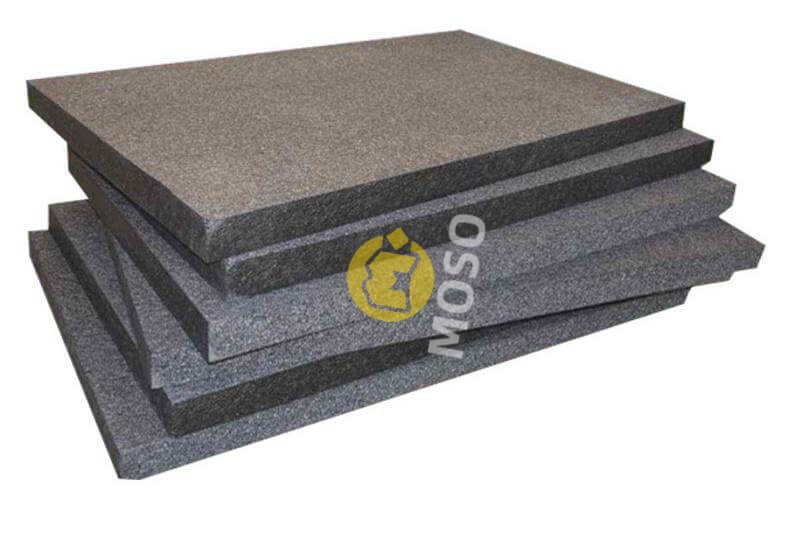
EPP Construction Panel

4. Electronics Protection

EPP foam cushions sensitive electronic devices, protecting them from impact during shipping or use.
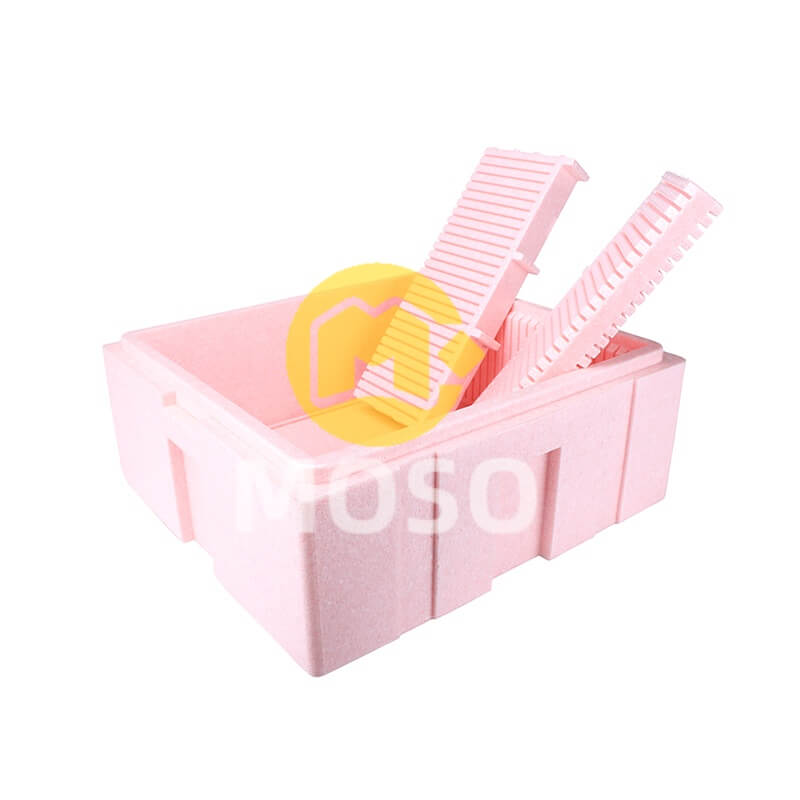
Electronics Protection

EPP Beads vs EPS Beads

EPP beads and EPS beads are both expanded plastic materials. However, their structure, durability and performance characteristics are different. The table below highlights the key differences.

PropertyEPP BeadsEPS Beads
Material TypeExpanded PolypropyleneExpanded Polystyrene
FlexibilityFlexible and resilientRigid and brittle
Impact ResistanceHigh impact absorption and recoveryMay crack under repeated stress
Service LifeLong-term durabilityShorter lifespan
ReusabilityReusable and recyclableLimited reuse capability
Cost LevelHigher initial costLower initial cost

For reusable, high-impact and long-term industrial applications, EPP beads are often the preferred choice. EPS beads remain suitable for low-cost, single-use packaging solutions.

Key Features of EPP Foam Products

How to Select the Right EPP Beads Density

Recommended EPP density typically ranges from 20 kg/m³ to 80+ kg/m³ depending on structural and load requirements.

Density RangeTypical ApplicationKey Benefit
20–30 kg/m³Protective packagingLightweight, excellent cushioning
30–45 kg/m³Reusable transport boxesGood resilience, cost-effective
45–60 kg/m³Semi-structural partsBalanced strength and flexibility
60–80 kg/m³Automotive componentsHigh stiffness and durability
80+ kg/m³High-load structuresMaximum strength and stability

FAQ About EPP Beads

What are EPP beads made of?

EPP beads are made from polypropylene resin expanded using steam. The process forms a closed-cell foam structure that provides lightweight strength and impact resistance.

Are EPP beads recyclable?

Yes. EPP beads are fully recyclable and can be reused in the molding process while maintaining structural performance and durability.

What temperature can EPP withstand?

EPP beads typically withstand temperatures between 110°C and 130°C depending on density and application conditions.

Are EPP beads suitable for automotive parts?

Yes. EPP beads are widely used in automotive energy-absorbing components due to their lightweight structure and high impact resistance.

Work With an Experienced EPP Beads Manufacturer

Reliable material supply and technical guidance are important for stable production. Working with an experienced manufacturer ensures consistent density control and molding performance.

Scroll to Top